
Roulette is one of the most recognized games in casino entertainment. Its simple rules, numbered wheel, and betting options make it appealing to both new and experienced players. However, not all roulette tables follow the same format. Two common versions are single-zero and double-zero roulette. Although they share similar gameplay, they differ in wheel design, betting odds, and house advantage. Understanding these differences can help players recognize how each version works and what to expect before placing a wager. The most noticeable distinction is the number of green pockets on the wheel. Single-zero roulette has one green pocket marked zero, while double-zero roulette includes both zero and double zero. This small design change affects the mathematical chances behind every bet. Exploring Diwa Game features provides a clearer understanding of why these versions offer different playing conditions.
Understanding Single-Zero Roulette
Single-zero roulette, commonly known as European roulette, uses a wheel with 37 pockets. These include numbers from 1 to 36 and one green zero. The numbered pockets alternate between red and black, following a specific arrangement around the wheel. Players can place bets on individual numbers, groups of numbers, colors, odd or even results, and other combinations. Each wager has its own payout based on the probability of the selected outcome. For example, a straight-up bet on one number pays 35 to 1 if the ball lands in the chosen pocket. The presence of only one zero gives this version a relatively lower house edge. Its standard house advantage is approximately 2.70%. This means the casino has a smaller mathematical advantage compared with the double-zero version. For players who compare roulette formats, this difference is an important consideration.
Examining Double-Zero Roulette

Double-zero roulette, often called American roulette, features 38 pockets. Alongside numbers 1 through 36, the wheel includes a single zero and a double-zero pocket. Both green spaces represent additional outcomes that influence the game’s probability. The betting layout remains familiar to anyone who has played European roulette. Players can choose numbers, colors, dozens, columns, and various combinations. Most standard bets also offer the same payouts as those found in single-zero roulette. However, the additional green pocket changes the mathematical structure. With 38 possible outcomes instead of 37, individual bets become slightly less likely to win. The standard house edge rises to approximately 5.26%. This gives the casino a greater statistical advantage over time.
Comparing Betting Odds and Probabilities
The number of pockets directly affects the probability of winning a particular wager. In single-zero roulette, a straight-up bet has a one-in-37 chance of winning. In double-zero roulette, the same wager has a one-in-38 chance. Although the difference appears small, it becomes more noticeable across repeated rounds. The extra pocket also affects outside bets. For instance, a red wager covers 18 numbers in both versions. However, the total number of possible outcomes differs, changing the probability of receiving a winning result. In European roulette, betting on red has a winning probability of 18 out of 37. In American roulette, the probability becomes 18 out of 38. These figures explain why the house edge is higher in the double-zero format, even when the available betting choices and payouts look almost identical.
Exploring Wheel Layouts and Game Rules
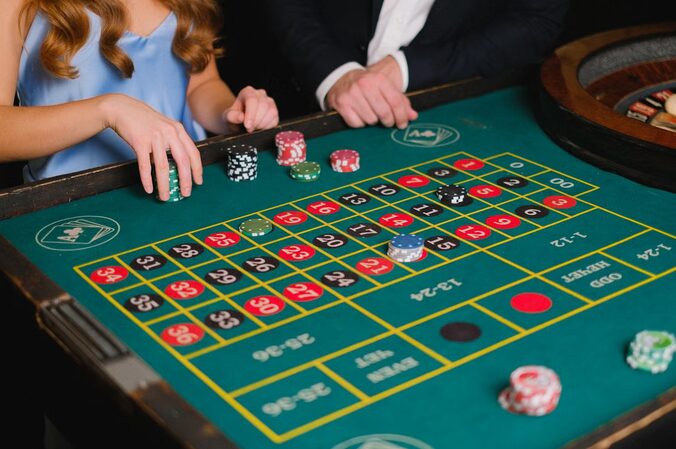
Beyond the number of green pockets, the two roulette versions have slightly different wheel arrangements. European roulette follows a single-zero layout, with its numbered pockets arranged in a specific sequence. American roulette uses a different sequence that accommodates both zero and double zero. The betting table also has a visible distinction. European roulette includes one zero section, while American roulette displays separate zero and double-zero positions. These differences help players identify the version before joining a table. Some European roulette tables also offer special rules, such as La Partage and En Prison. These rules generally apply to even-money bets when the ball lands on zero. Under La Partage, players recover half their original wager. Under En Prison, the wager remains in play for another spin under specific conditions. Such rules can reduce the house edge on qualifying bets. They are not standard features of every roulette table, so players should review the rules before participating.
Evaluating Player Experience and Table Selection
Both roulette formats provide a similar overall experience. Players watch the dealer spin the wheel, release the ball, and announce the winning number. The atmosphere may differ between traditional casino floors and online platforms, but the basic gameplay remains consistent. Single-zero roulette may appeal to players who prefer more favorable mathematical odds. Its lower house edge means that the casino maintains a smaller expected advantage over extended play. Double-zero roulette, meanwhile, is common in American casinos and remains familiar to many players. Table selection should involve more than visual appearance or available betting limits. Players can review the number of zero pockets, minimum wagers, payout schedules, and special rules. These details help explain the conditions attached to each game.
Recognizing the Importance of Responsible Play
Understanding roulette variations does not remove the uncertainty involved in every spin. Each outcome is independent, meaning previous results do not determine what happens next. A wheel that has produced several red results is not automatically more likely to land on black during the following round. The house edge describes a long-term mathematical expectation, not a guaranteed outcome for an individual session. Players may experience wins or losses regardless of which version they choose. For this reason, roulette should remain a form of entertainment rather than a dependable way to earn money.
Setting a spending limit and deciding when to stop can help maintain control. Players should also avoid increasing wagers to recover previous losses. Choosing a game with a lower house edge may improve the mathematical conditions, but it cannot guarantee profits. Single-zero and double-zero roulette offer familiar gameplay with different statistical foundations. Recognizing their distinctions allows players to make informed choices and better understand the mechanics behind each version.